

Acne Scarring and Other Scars
Contact Us TodayAcne scarring
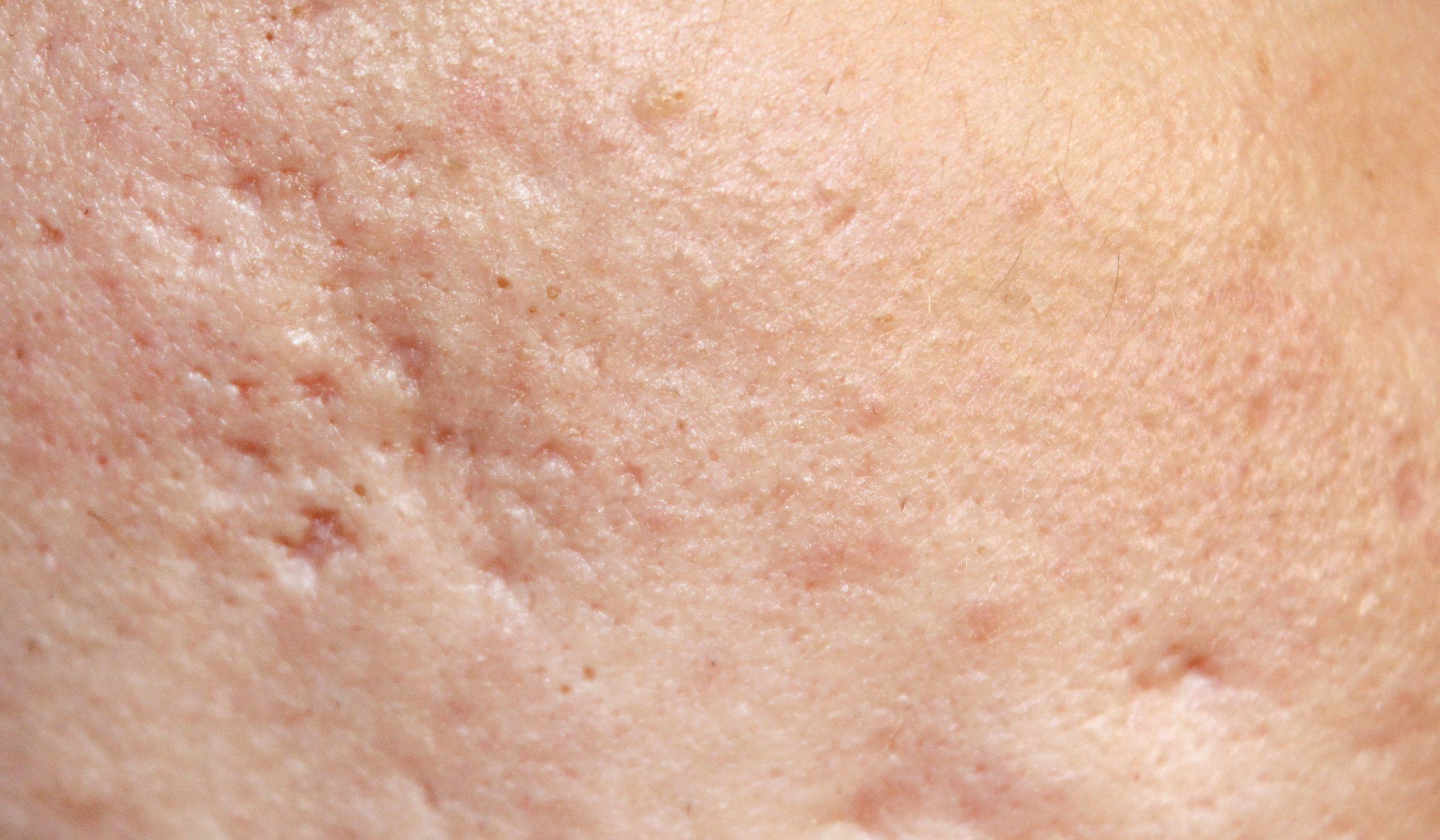
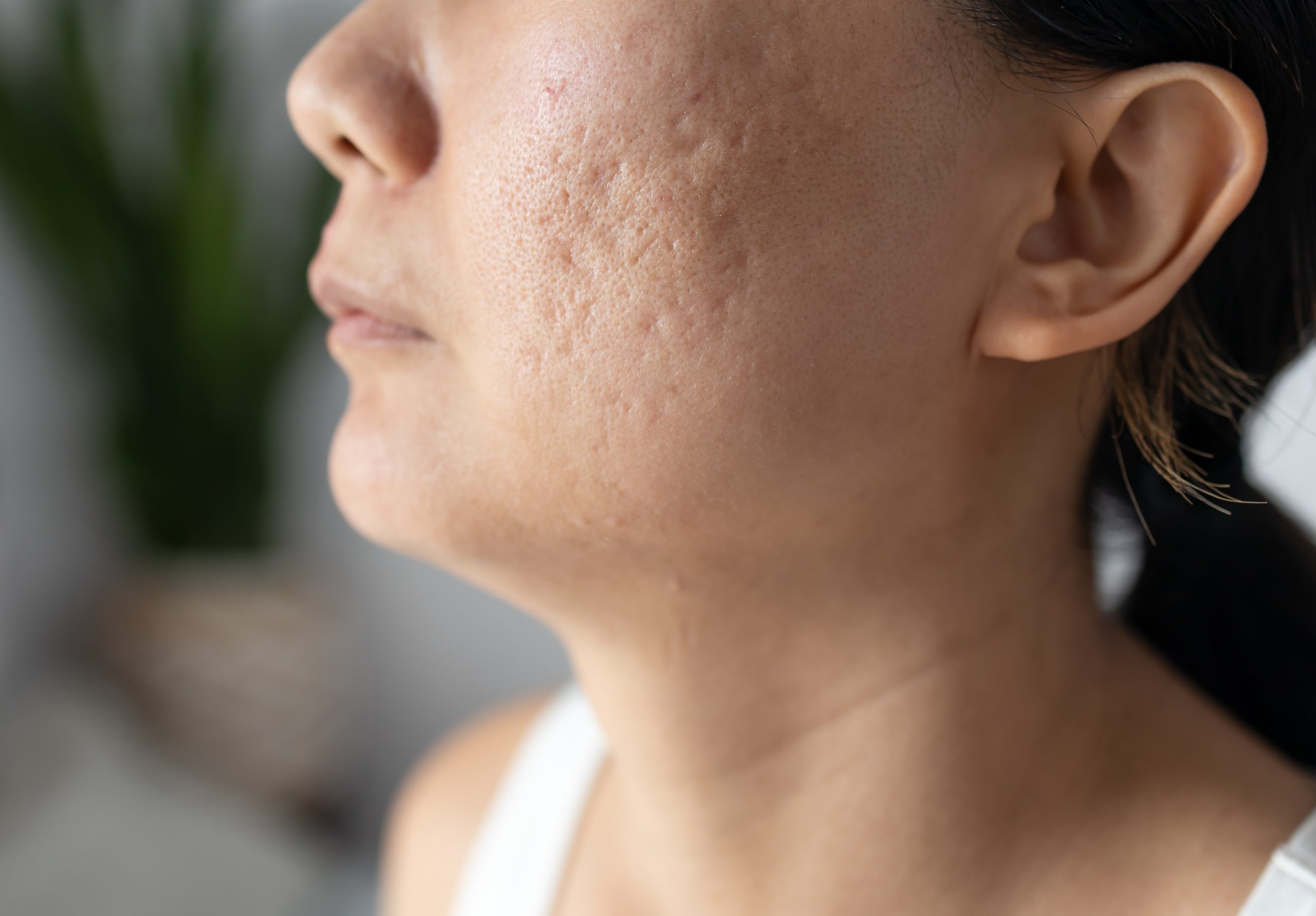
Acne scarring is common in teenage years but can occur at any time in life and increasingly it is a recognised condition affecting adult women, particularly during the perimenopause and menopause. Acne scarring occurs following significant inflammation caused by acne.
It can cause a change in colour of the skin leading to purple-coloured scars or an uneven skin texture with areas of indentation known as ice pick scarring.
Other scars including surgical scars
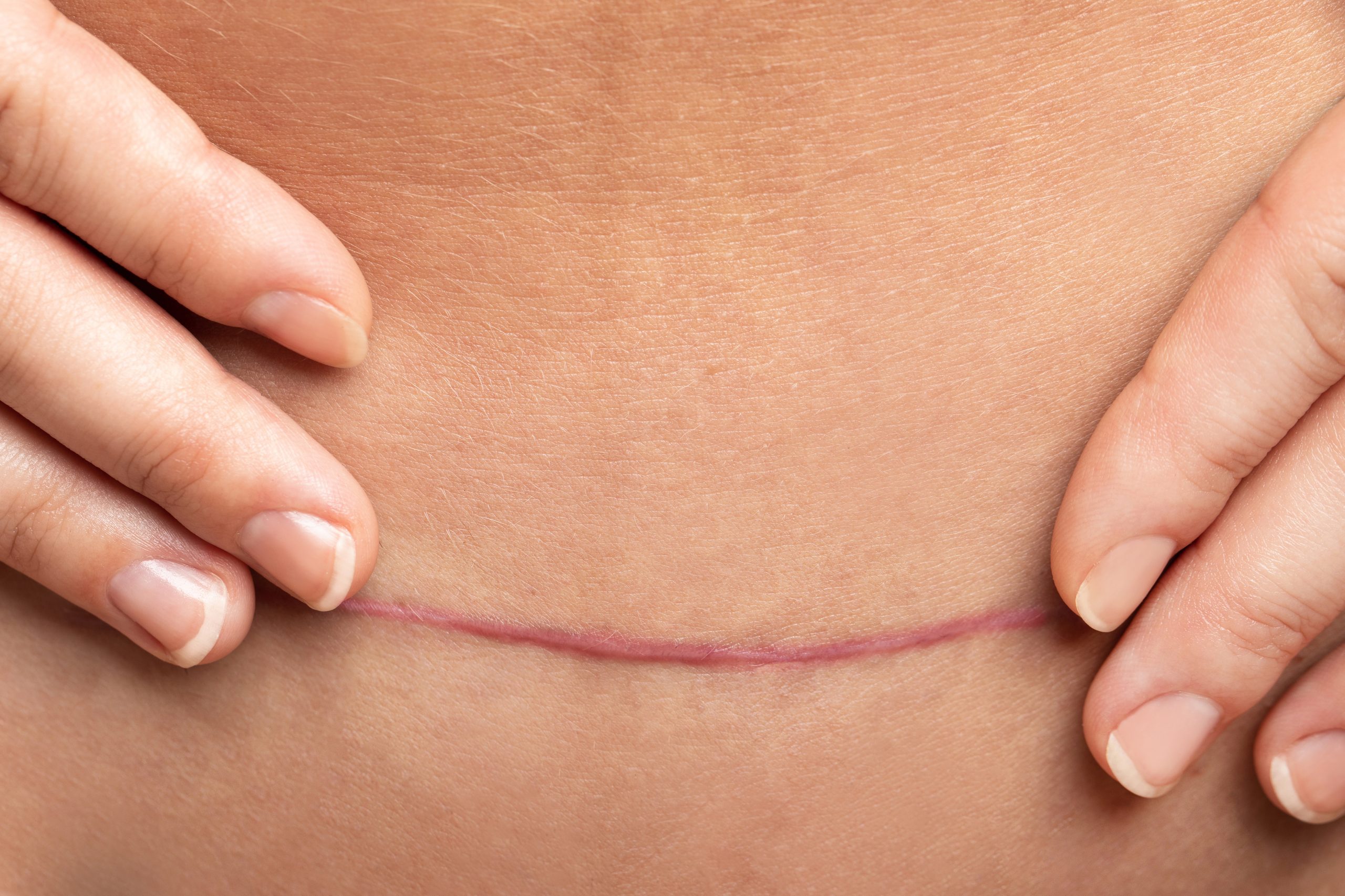
Scarring is the body’s natural response to trauma. Following injury or surgery our body produces collagen to aid with healing and the formation of a scar. However, sometimes scars can leave you feeling fed up and self-conscious.
Scarring can be really upsetting and can significantly affect self-confidence at any age. Often patients have tried many alternative routes to treating their scarring before they come to Optimise Aesthetics and feel fed up that nothing has really worked for them.
Treatments for acne scarring and other scars
Treatments are focused on increasing collagen and elastin production in the dermal layer of the skin and reducing pigmentation. This acts to reduce the depth of the scars by stimulating cell turnover in the dermis and to reduce the pigmentation.
Treatment options include:
- Medical grade skin care to support and optimise results.
- Medical grade chemical peels
- A course of SkinPen microneedling to treat scarring directly
- A course of polynucleotide injectables to treat scarring directly
What will happen during a consultation?
Whether your consultation is virtual or face to face is essential to identify the areas of concern, what you have tried so far, potential causes, medical history and any allergies or previous reactions to past treatments, current medications and lifestyle and nutrition. Dr Bye will discuss all these areas with you and examine your skin to gain an overall picture of your condition and concerns and how best to move forward for you. Treating skin conditions such as scarring involves a personalised and holistic approach for the best results. Following your consultation, Dr Bye will put together a treatment plan for you.
Remember that for skin conditions such as scarring it is helpful for you to be make-up free or keep make-up to a minimum for the consultation so that Dr Bye can examine your skin effectively.
Which treatment option is best for me?
Every patient is different. Your treatment will very much depend on what is discussed and seen during your detailed consultation. Some patients get great results with a course of SkinPen Microneedling while others require a combination of chemical peels, polynucleotides and SkinPen Microneedling.
Why choose Dr Bye?
As both a GMC registered GP and JCCP registered aesthetics doctor with additional training in cosmetic dermatology, Dr Bye’s approach to treating skin conditions such as scarring is holistic. Her extensive aesthetic training and microsurgical experience enables her to gain results that are safe and personalised with minimal or no discomfort.
As both a GP and aesthetics doctor her holistic approach allows her to use multiple modalities to treat your scarring safely.
She will discuss fully any concerns you have prior to treatments and will be open and honest about how to achieve the best results for you.
Frequently Asked Questions
How can you get rid of acne scars
Acne scars can be reduced by combining professional procedures with consistent at‑home care tailored to your scar type and skin tone. Common and effective options include:
- Medical‑grade skincare — prescription retinoids, topical vitamin C, and targeted lighteners to improve texture and fade pigmentation.
- Chemical peels — superficial to deep peels that accelerate skin turnover, reduce post‑inflammatory pigmentation, and smooth surface irregularities.
- Microneedling — controlled dermal injury that stimulates collagen remodelling and improves atrophic (depressed) scars and overall texture.
- Polynucleotides — injectable biostimulatory treatments that promote tissue regeneration, improve skin quality, and support collagen and elastin production.
A clinical assessment will define the optimal sequence, expected improvement, and maintenance plan.
Does acne scarring ever go?
Acne scarring can improve naturally but rarely disappears completely without treatment. Superficial marks and post-inflammatory hyperpigmentation often fade over months with appropriate skincare and sun protection. Deeper atrophic or hypertrophic scars typically require professional treatments such as microneedling, chemical peels, or polynucleotides to achieve substantial improvement.
What worsens acne scars?
Several factors make acne scars worse or delay healing. Picking or squeezing pimples increases inflammation and the risk of deeper scarring. Delayed treatment of severe acne, inadequate sun protection, smoking, and poor blood sugar control all impair collagen repair and can exacerbate scar formation. Using inappropriate or harsh skincare products can also irritate skin and prolong post-acne marks.
Can I fix acne scars naturally?
Mild surface marks and pigmentation can improve with conservative, evidence-informed measures but deeper scars usually need professional intervention. Effective natural approaches include consistent sun protection, gentle exfoliation (AHA or enzyme-based), topical retinoids to accelerate skin turnover, and products with vitamin C to brighten pigmentation. Home remedies that lack clinical backing should be avoided; consult a clinician to combine safe at-home care with medical treatments when necessary.
Do surgical scars go away?
Surgical scars typically improve over time but rarely disappear completely. Most scars mature and become flatter, paler, and less noticeable over 12–18 months. The final appearance depends on wound care, the surgical technique, your skin type, location of the scar, and genetic factors that influence healing. Early intervention and appropriate treatments can significantly reduce scar visibility and improve texture.
What is the best treatment for surgery scars?
The optimal treatment is determined by scar type, age of the scar, and individual skin characteristics. Common effective options include:
- Silicone sheeting or gel to hydrate the scar and reduce height and redness.
- Medical‑grade skin care such as steroid creams or silicone‑based formulations to soften hypertrophic scars.
- Microneedling and polynucleotides to stimulate collagen remodelling and improve scar pliability.
A combined, staged approach usually gives the best outcome; a clinical assessment will identify the most appropriate sequence and expected improvement.
Does rubbing a scar help it fade?
Gentle massage of a mature scar can help reduce tightness, improve mobility, and soften the scar over time, but aggressive rubbing is not recommended. Effective scar massage principles:
- Use gentle, circular motions with a suitable emollient or silicone gel.
- Start only after the wound has fully healed and under clinician guidance for recent wounds.
- Perform massage regularly for several minutes, multiple times per day, over months to notice benefit
Massage does not eliminate deep or wide scars but can be a useful supportive therapy alongside medical treatments.