

Ageing Neck
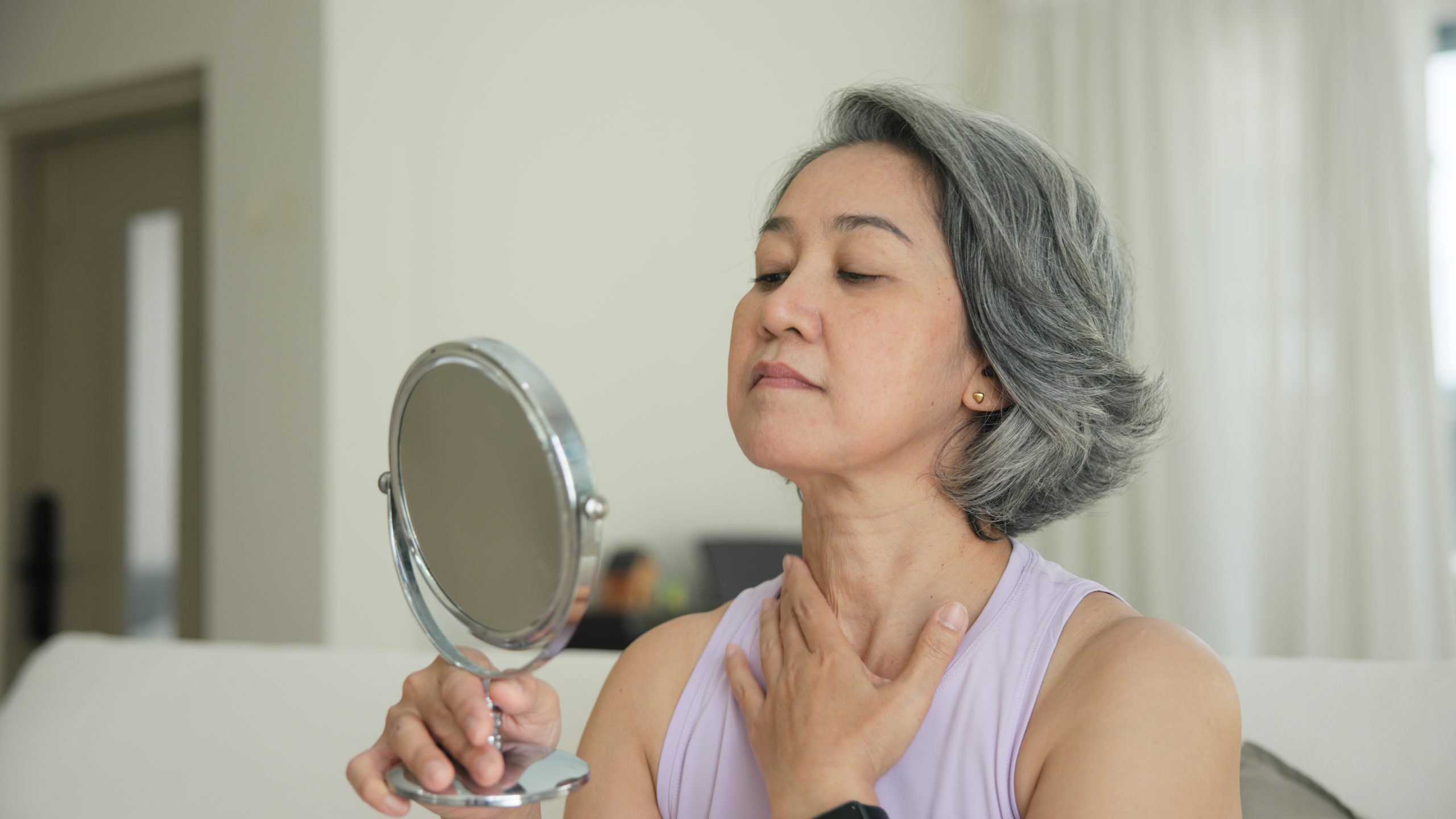
Contact Us TodayAgeing neck or ‘turkey neck’ is a common complaint. We tend to forget to apply high factor sun cream to our necks and decolletage area. This means they can really suffer the effects of ultraviolet damage and age-related changes.
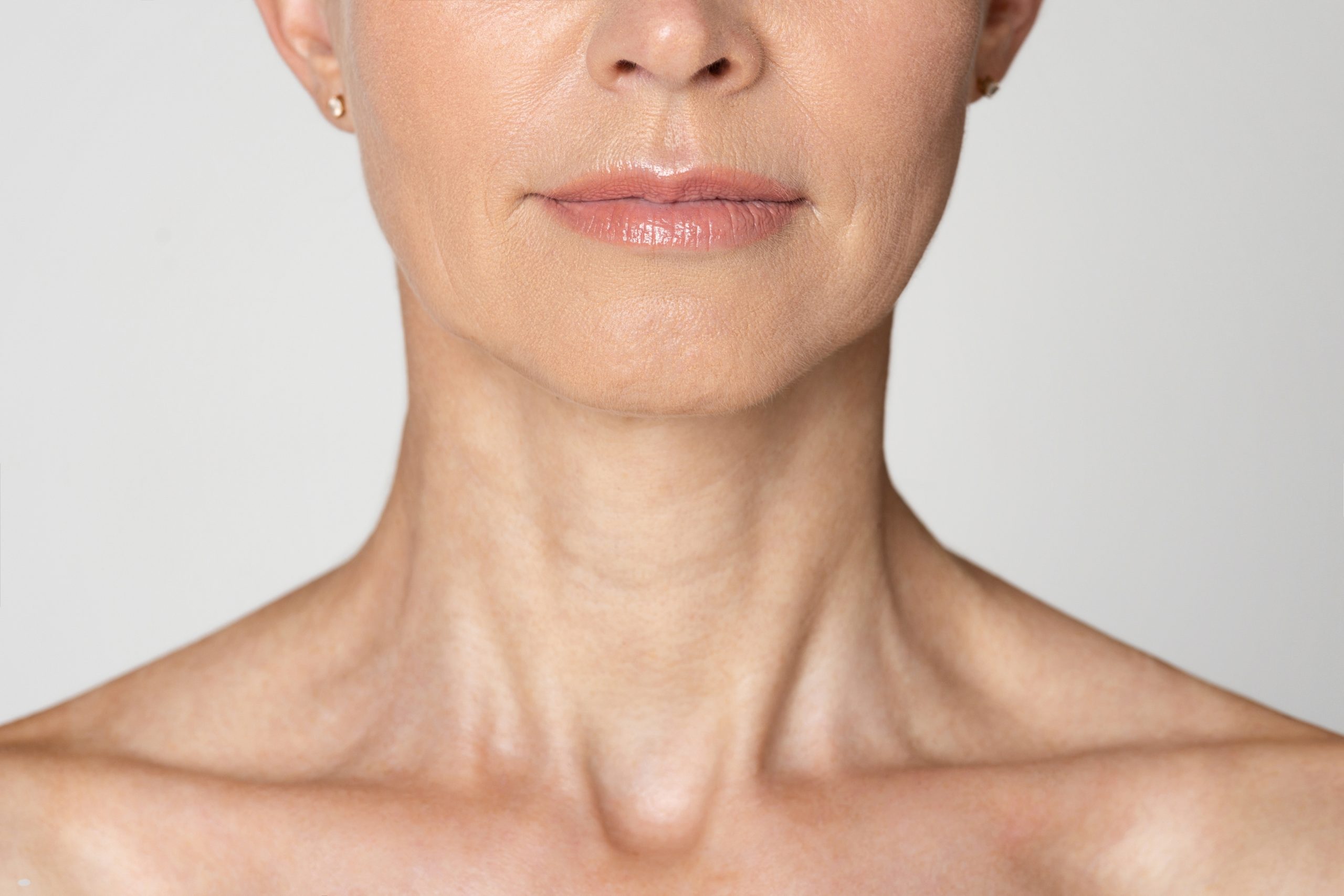
This can lead to pigmentation and thin, dry wrinkled or crepey skin.
In addition, changes to our facial structure and musculature over time can lead to the formation in the neck of platysmal bands which is otherwise known as turkey neck.
Ageing necks can be upsetting and affect self-confidence at any age as patients often feel their neck appears a lot older than other areas of their face or skin. Often patients have tried many different creams to try to treat their neck before they come to optimise aesthetics and feel fed up that nothing has really worked for them.
Treatments are focused on relaxing the platysmal bands or ‘turkey neck’ (if appropriate) and promoting collagen and elastic production in the dermis of the skin and/or intensely hydrating and plumping the dermis of the skin to reduce this appearance.
Treatment options include:
- Anti-wrinkle injections to the platysmal bands area to relax off the turkey neck appearance.
- SkinPen Microneedling to increase collagen levels, promote skin rejuvenation and help even out pigmentation of the skin.
- Profhilo treatment to the hands to promote hydration and plump the dermis and act as a mild biostimulator of collagen production.
- Polynucleotide injections to promote collagen levels and brighten and even out pigmentation of the skin.
What will happen during a consultation?
Whether your consultation is virtual or face to face is essential to identify the areas of concern, what you have tried so far, potential causes, medical history and any allergies or previous reactions to past treatments, current medications and lifestyle and nutrition. Dr Bye will discuss all these areas with you and examine your skin to gain an overall picture of your condition and concerns and how best to move forward for you. Treating skin conditions such as the ageing neck involves a personalised and holistic approach for the best results. Following your consultation, Dr Bye will put together a treatment plan for you.
Which treatment option is best for me?
Every patient is different. Your treatment will very much depend on what is discussed and seen during your detailed consultation. For ageing necks, Dr Bye often uses anti-wrinkle injections and Profhilo as great options to relax turkey neck and enhance hydration of the skin but if pigmentation is the main concern SkinPen Microneedling or polynucleotides are preferable.
Why choose Dr Bye?
As both a GMC registered GP and JCCP registered aesthetics doctor with additional training in cosmetic dermatology, Dr Bye’s approach to treating skin conditions such as ageing hands is holistic. Her extensive aesthetic training and microsurgical experience enables her to gain results that are safe and personalised with minimal or no discomfort.
As both a GP and aesthetics doctor her holistic approach allows her to use multiple modalities to treat your neck ranging from SkinPen Microneedling to injectable treatments such as anti-wrinkle injections, Profhilo or Polynucleotides.
She will discuss fully any concerns you have prior to treatments and will be open and honest about how to achieve the best results for you.
Frequently Asked Questions
How do you fix an aging neck?
Treating an ageing neck combines skincare, non-surgical procedures, and, when necessary, surgical options. Start with medical‑grade topical retinoids and daily broad‑spectrum SPF to prevent further collagen loss. Non‑surgical interventions that improve texture and laxity include microneedling, anti-wrinkle injections, biostimulatory injectables such as polynucleotides, and hyaluronic acid–based skin boosters such as Profhilo to restore hydration and stimulate remodelling. For moderate to severe laxity, neck‑lift surgery or targeted submental liposuction with platysma tightening provides definitive tightening. A staged, personalised plan after clinical assessment delivers the best functional and aesthetic outcome.
Can you tighten sagging neck skin?
Mild to moderate sagging can often be improved non‑surgically using Profhilo for tissue remodelling, polynucleotides to stimulate collagen and elastin, microneedling to induce neocollagenesis, and anti‑wrinkle injections to address dynamic muscle bands; these treatments can tighten appearance and improve skin quality when selected by a clinician.
At what age does the neck start to age?
Neck ageing commonly begins in the mid‑30s to early 40s but varies with genetics, sun exposure and lifestyle; early signs respond well to Profhilo, polynucleotides and microneedling for skin quality, with anti‑wrinkle injections used later for visible platysmal banding.
What is best for a crepey neck?
For crepey texture, priority treatments are Profhilo for deep hydration and bioremodelling, polynucleotides to encourage dermal regeneration, and microneedling to improve surface texture and stimulate collagen; a clinician will recommend a treatment plan and sequence based on skin condition.
Can turkey neck be tightened without surgery?
Yes, mild to moderate “turkey neck” can be improved non‑surgically with a combination of Profhilo, polynucleotides and microneedling to remodel the dermis and restore skin quality, plus anti‑wrinkle injections where platysmal bands contribute to the appearance.
Why is my neck aging so rapidly?
Rapid neck ageing is commonly caused by cumulative sun damage, repetitive UV exposure, smoking, poor nutrition, significant weight loss, rapid fluctuations in body weight, or genetic predisposition. Frequent forward head posture and repeated mechanical stress (smartphone use) can accentuate creasing. Certain medical conditions or medications that affect collagen synthesis may also contribute. A clinical review can identify modifiable factors and recommend a tailored prevention and treatment plan.
How to not get turkey neck?
Preventive measures reduce the risk and severity of turkey neck: protect the neck daily with broad‑spectrum SPF, avoid tanning and chronic sun exposure, stop smoking, use medical‑grade topical retinoids and antioxidants to support collagen, keep the neck well moisturised, and maintain stable healthy weight. Early professional interventions such as skin boosters or biostimulatory injectables at first signs of laxity help slow progression.
Will collagen help my turkey neck?
Collagen‑stimulating treatments can help by encouraging neocollagenesis and improving dermal thickness, which reduces laxity and crepiness. Effective options include polynucleotide injectables, biostimulatory fillers and microneedling. Oral collagen supplements may support skin health but have limited, variable evidence for reversing established neck laxity; procedural collagen stimulators provide more reliable structural improvement.
What deficiency causes turkey neck?
No single nutrient deficiency directly causes turkey neck, but inadequate intake of nutrients vital for connective tissue health—notably vitamin C, protein (amino acids), and certain B vitamins—can impair collagen synthesis and tissue repair, potentially accelerating skin ageing. Ensuring a balanced diet with sufficient vitamin C, adequate protein, and overall nutritional sufficiency supports skin integrity alongside sun protection and appropriate skincare.