

Perimenopausal & Menopausal Skin Concerns
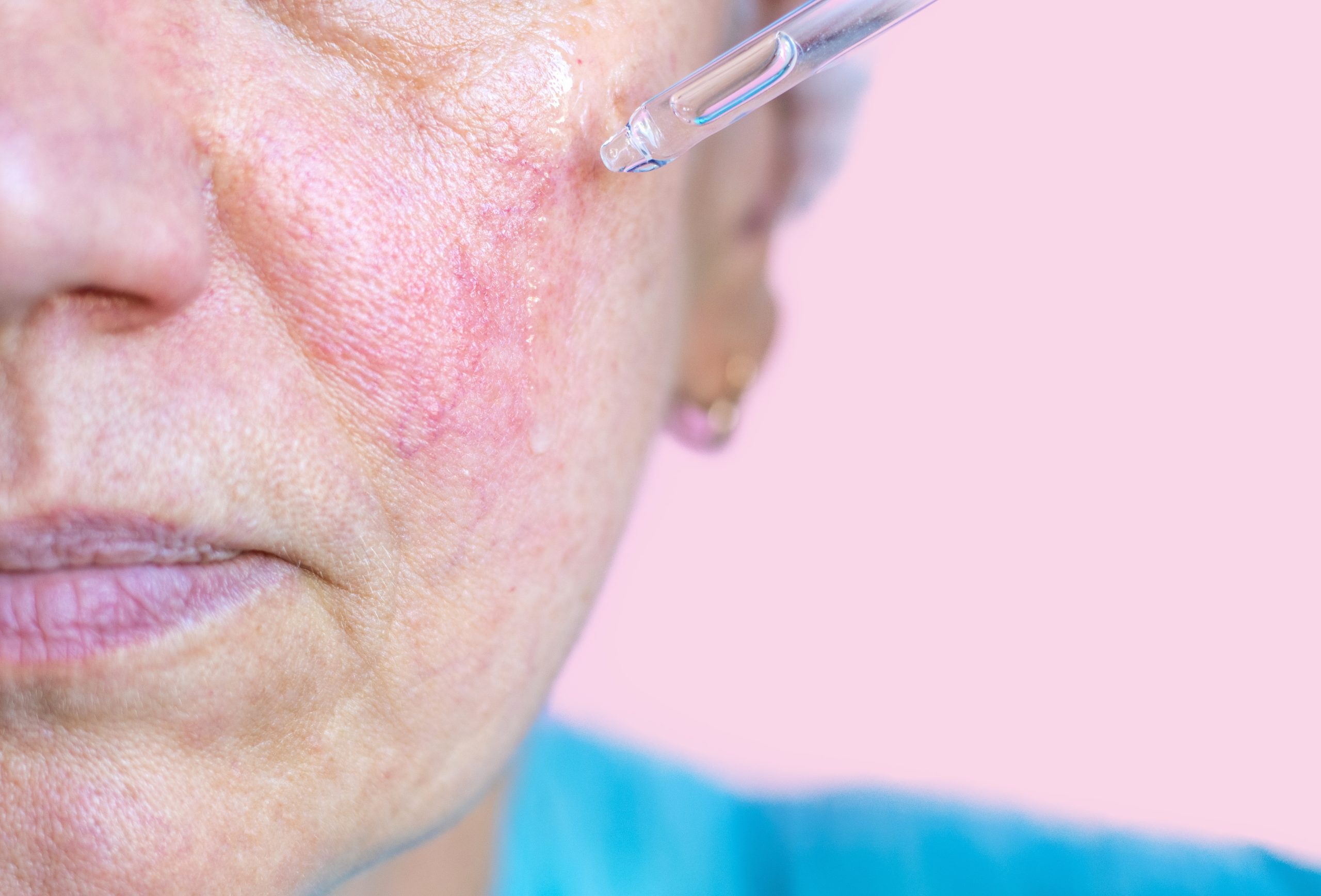
Contact Us TodayCommon concerns during the perimenopause and menopause include a whole range of skin conditions including acne, rosacea, pigmentation, large pores, dry skin and more noticeable thinning of the skin and fine lines and wrinkles. At Optimise Aesthetics we can address all these concerns. Dry and thinning skin can occur in anyone at any stage in life. It more commonly occurs as we get older and is a common complaint in women during and after menopause. It can be made worse by use of certain products and often flares the winter months due to the harsh environment of cold weather combined with central heating. Conditions such as eczema and psoriasis are also linked to dry skin. Treatments include medical grade skin care, medical grade chemical peels, Skin Pen microneedling and skin boosters which can all act to encourage a healthy cell turnover and hydrate the skin.
Treatment options include:
- Medical grade skin care
- Medical grade chemical peels
- Topical therapies
- SkinPen Microneedling
- Skin boosters
- Profhilo
- Nutritional and lifestyle advice to optimise results
What will happen during a consultation?
Whether your consultation is virtual or face to face is essential to identify the areas of concern, what you have tried so far, potential causes, medical history and any allergies or previous reactions to past treatments, current medications and lifestyle and nutrition. Dr Bye will discuss all these areas with you and examine your skin to gain an overall picture of your condition and concerns and how best to move forward for you. Treating skin conditions such as dry skin involves a personalised and holistic approach for the best results. Following your consultation, Dr Bye will put together a treatment plan for you.
Remember that for skin conditions it is helpful for you to be make-up free or keep make-up to a minimum for the consultation so that Dr Bye can examine your skin effectively.
Which treatment option is best for me?
Every patient is different. Your treatment will very much depend on what is discussed and seen during your detailed consultation. Some patients get great results with a change to their skin care routine and improved nutrition while others require a course of chemical peels, SkinPen Microneedling or Profhilo.
Why choose Dr Bye?
As both a GMC registered GP and JCCP registered aesthetics doctor with additional training in cosmetic dermatology, Dr Bye’s approach to treating skin conditions such as dry thinning skin is holistic. Her extensive aesthetic training and microsurgical experience enables her to gain results that are safe and personalised with minimal or no discomfort.
As both a GP and aesthetics doctor her holistic approach allows her to use multiple modalities to treat your dryness ranging from changes to your skin care routine and nutritional advice to prescription creams or in clinic treatments and occasionally referral on to a consultant dermatologist if required.
She will discuss fully any concerns you have prior to treatments and will be open and honest about how to achieve the best results for you.
Frequently Asked Questions
Does your skin change in perimenopause?
Yes. Perimenopause commonly causes visible and textural skin changes driven by fluctuating and declining oestrogen levels. Typical changes include increased dryness, reduced elasticity, thinner epidermis, fine lines, dullness, and more pronounced pigmentation or redness. These shifts make skin more prone to dehydration and slower to repair, requiring targeted skincare and professional interventions to restore barrier function and dermal support.
What does estrogen depleted skin look like?
Oestrogen‑depleted skin typically appears drier, thinner, and less plump, with more visible fine lines, crepey texture, and loss of volume. Collagen and elastin decline produce reduced firmness and increased translucency, which can highlight veins and pigmentation. Skin may also feel rough, sensitive or prone to flaking and show slower healing after inflammation.
How can I fix my menopausal skin?
Improve menopausal skin with a combined approach: adopt medical‑grade skincare products containing retinoids, humectants and antioxidants to restore barrier function and stimulate cell turnover; use professional chemical peels to address pigmentation and surface texture; consider microneedling to stimulate collagen remodelling and improve firmness; and employ skin boosters or Profhilo to increase deep hydration and encourage bioremodelling. A staged plan personalised by a clinician gives the most consistent, durable improvement.
Does taking collagen increase estrogen levels?
No. Oral collagen supplements do not increase oestrogen levels. Collagen peptides supply amino acids that may support skin structure but do not act as hormones or raise circulating oestrogen. Improvements from collagen supplements, when present, are due to protein and peptide support for skin health rather than endocrine effects.
Why is my skin so dry in perimenopause?
Skin becomes drier in perimenopause because falling oestrogen reduces natural oil production, weakens the skin barrier, and slows epidermal turnover. These physiological changes increase transepidermal water loss and reduce the skin’s ability to retain moisture, producing persistent dryness, tightness and a crepey appearance.
What to do for perimenopause dryness?
Treat perimenopausal dryness with consistent barrier‑focused care and clinic treatments: use medical‑grade moisturisers and serums containing humectants, ceramides and retinoids; schedule gentle chemical peels to normalise texture and pigmentation under professional supervision; use microneedling to improve barrier function and collagen; and consider skin boosters or Profhilo to restore deep dermal hydration and tissue quality. Maintain sun protection and avoid harsh, drying cleansers
Does high estrogen cause dry skin?
No. High oestrogen is not typically associated with dry skin. Elevated oestrogen generally supports skin hydration and elasticity. Dry skin most commonly results from low oestrogen, environmental factors, or barrier damage rather than from high hormonal levels.
Does menopause dryness ever go away?
Menopausal dryness often improves with appropriate intervention but may not fully resolve without ongoing management. Medical‑grade skincare, periodic professional chemical peels to improve surface quality, microneedling to encourage collagen restoration, and skin boosters or Profhilo to rehydrate and remodel the dermis provide meaningful, lasting improvement when maintained as part of a long‑term regimen.
Does drinking more water help dryness?
Drinking adequate water supports overall hydration but has limited direct effect on chronically dry skin caused by hormonal changes. Internal hydration helps general health, but topical barrier restoration with medical‑grade moisturisers and professional treatments such as skin boosters, Profhilo, chemical peels and microneedling are more effective for reducing cutaneous dryness and restoring skin quality.
What is the average age for perimenopause?
Perimenopause most commonly begins in the mid to late 40s, though it can start earlier or later depending on individual factors. The transition varies widely in duration and symptom profile; skin changes can present before, during, or after this period, so early protective skincare and timely professional treatments are beneficial.
What is your body lacking when you have dry skin?
Dry skin results from diminished barrier lipids, reduced natural oils, and lower structural proteins such as collagen and elastin rather than a single missing nutrient. Hormonal declines (notably oestrogen), reduced sebum production and impaired barrier lipids underlie many cases. Address dryness by restoring barrier function with medical‑grade skincare and improving dermal structure with microneedling, chemical peels where appropriate, and skin boosters or Profhilo.