

Acne
Contact Us TodayWhat is acne?
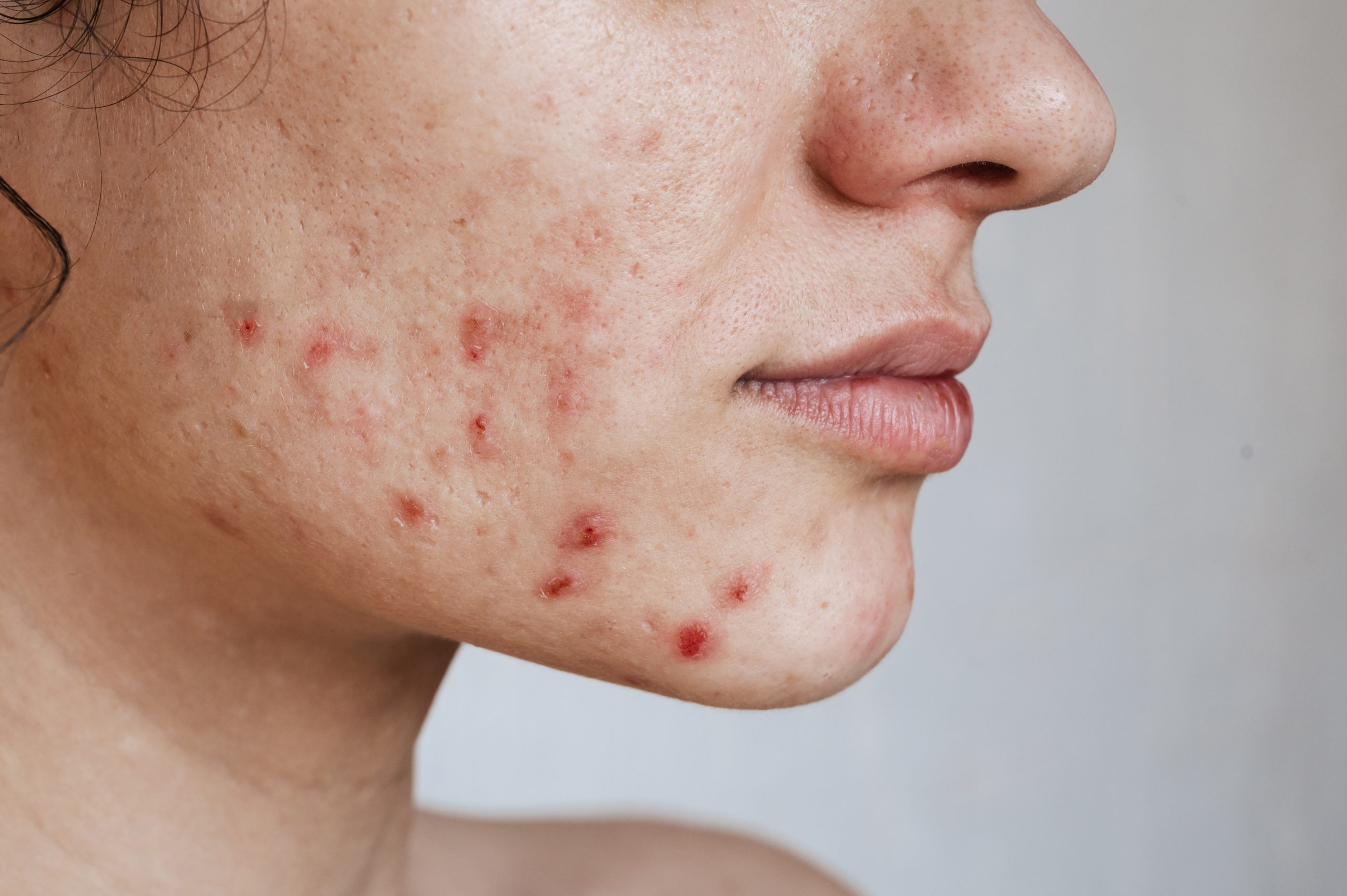
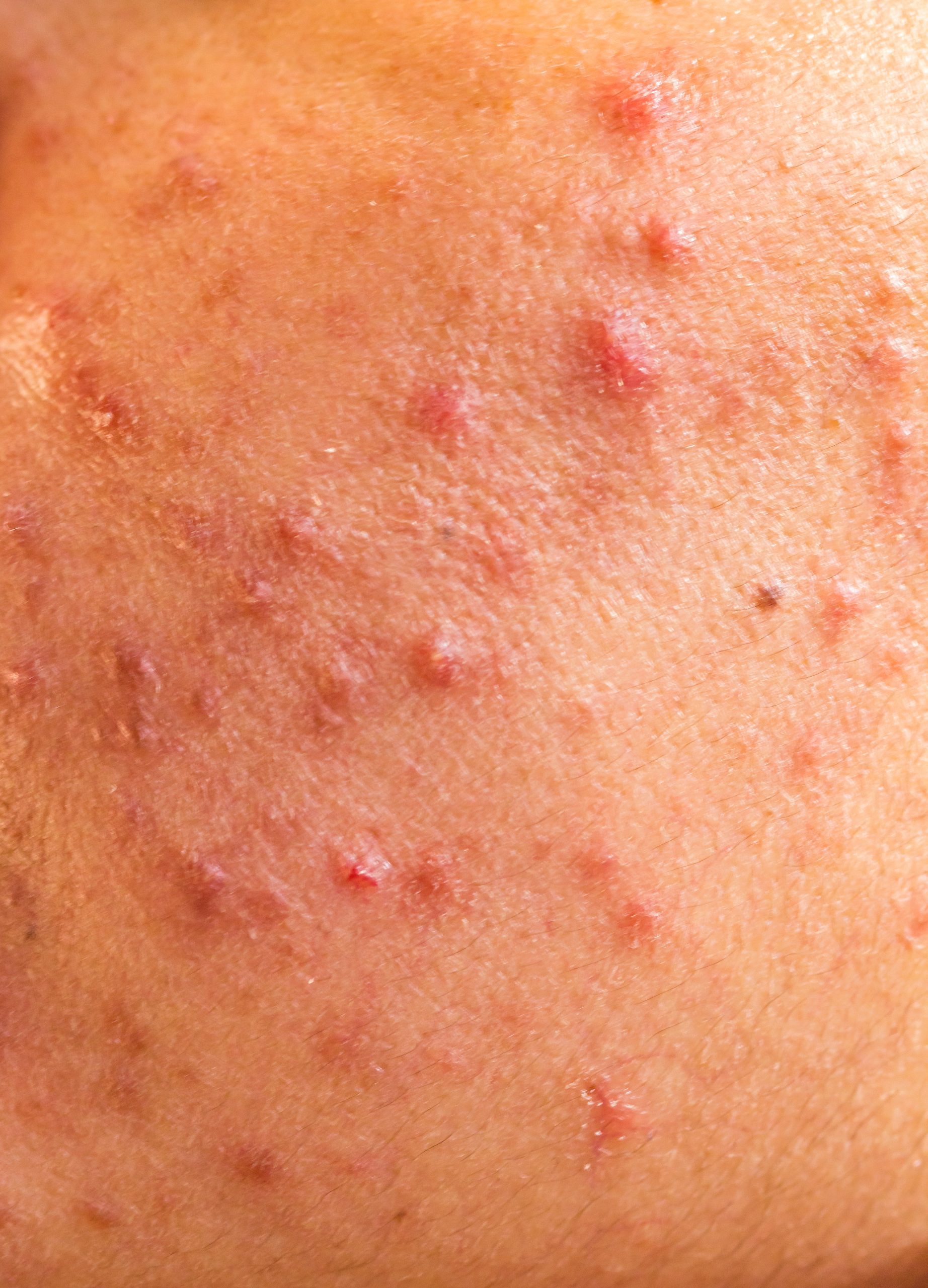
Acne is a common skin condition that can appear at any age. While frequently seen in teenagers, acne increasingly affects adult women, especially during perimenopause and menopause. Many acne sufferers seek dermatology acne treatment after trying over-the-counter options without success.
How acne develops
Acne develops as a result of one, or all, of the below factors:
- Overproduction of sebum, often linked to hormonal changes.
- Accumulation of dead skin cells that block follicles.
- Bacteria, such as P.acnes, that multiply in blocked pores and form spots.
Acne develops as a result of one, or all, of the below factors:
Hormonal changes are a frequent trigger, which is why treatment for acne in adults often focuses on hormonal drivers as well as topical and systemic care. Left unchecked, these processes can lead to blackheads, congestion, inflammation and long-term scarring.
Treatment options for acne
Treatments for acne in adults and teens aim to prevent new spots, reduce inflammation, and minimise scarring by addressing sebum production, follicle blockage, and bacterial overgrowth.
Treatment options include:
- Medical grade skin care – targeted for cleansers, exfoliants and maintenance products for acne-prone skin
- Medical grade chemical peels – peel protocols to clear congestion, improve texture and reduce scarring
- Topical therapies – prescription creams and gels to reduce bacteria and normalise skin cell turnover
- Systemic therapy – oral medications where necessary, chosen and monitored by a clinician
- Nutritional and lifestyle advice – diet and lifestyle changes to support treatment outcomes
Options are chosen to match the cause and severity of acne and can be combined for best results.
Which acne treatment option is best for me?
Every patient is different. Your treatment will very much depend on what is discussed and seen during your detailed consultation. Some people respond well to changes in skin care and nutrition, others need a course of chemical peels or prescription medication. For pregnant patients we recommend pregnancy-safe choices and clear guidance on treatment acne in pregnancy.
Consultation for acne treatment
Consultations can be virtual or face to face and will cover your acne history, previous treatments, medications, allergies and lifestyle. Dr Bye will examine your skin, identify triggers and explain options for acne treatment tailored to you. Bring minimal or no make-up to allow an accurate assessment.
Treating skin conditions such as acne involves a personalised and holistic approach for the best results. Following your consultation, Dr Bye will put together a treatment plan for you. If advanced therapies are needed, Dr Bye will coordinate referral for dermatologist treatment acne.
Book a consultation to receive a tailored acne treatment plan.

Why choose Dr Bye for acne treatment?
Dr Bye is a GMC-registered GP and JCCP-registered aesthetics doctor with advanced training in cosmetic dermatology. Her holistic approach blends thorough medical assessment with aesthetic expertise to provide safe, evidence-based acne treatment that minimises discomfort.
Dr Bye completed extensive cosmetic dermatology and aesthetic training at Harley Academy.
She provides integrated care for persistent adult acne, perimenopausal flare-ups and cases where rosacea and acne coexist, and will arrange referral to a consultant dermatologist when clinically appropriate.
Dr Bye will discuss budget openly before any treatment and recommends options that balance clinical effectiveness with each patient’s financial preferences
Frequently Asked Questions
Which treatment is best for acne?
The best acne treatment depends on acne type, severity and patient factors such as age, pregnancy status and previous therapies. Mild acne often responds to medical grade skin care and topical therapies. Moderate to severe acne may require medical grade chemical peels, combined topical regimens or systemic therapy. For persistent or complex cases a referral for dermatologist treatment acne may be appropriate. A personalised plan that targets sebum production, follicle congestion and bacterial overgrowth delivers the best long-term results.
What foods trigger acne breakouts?
Certain foods can worsen acne for susceptible people, most consistently those with a high glycaemic load and some dairy products; refined sugars, white bread and sugary drinks often correlate with more breakouts, while skimmed milk has been linked repeatedly to higher acne rates.
Does drinking water help acne?
Drinking adequate water supports skin hydration, immune function and metabolic health and may indirectly help acne as part of a wider plan, but increasing water intake alone is unlikely to clear established acne without concurrent evidence-based acne treatment.istently those with a high glycaemic load and some dairy products; refined sugars, white bread and sugary drinks often correlate with more breakouts, while skimmed milk has been linked repeatedly to higher acne rates. Practical tip: maintain good hydration alongside medical-grade skin care, diet changes and clinician-guided therapies for best effect.
How to tell if acne is hormonal or bacterial?
Hormonal acne typically shows as deep, recurring nodules or cysts concentrated around the lower face and jawline and often flares cyclically around a menstrual cycle, pregnancy or menopause; bacterial-driven lesions tend to be more surface-level pustules and widespread inflammatory spots. A clinician will use distribution, timing and history to decide if targeted hormonal treatment, topical antibacterials or systemic options are needed.
What triggers acne the most?
The dominant trigger for most acne is hormonal influence that increases sebum production combined with follicular blockage from excess dead skin cells, creating an environment where acne thrives. Genetics, certain medications, stress, high-glycaemic diets and heavy or occlusive products also commonly contribute.
Why won’t my acne go away?
Persistent acne usually reflects one or more unresolved drivers: untreated hormonal imbalance, inappropriate or inconsistent use of products, spot-treating instead of preventative full-area therapy, resistant bacteria or an untreated coexisting skin condition; failure to allow treatments time (often 6–12 weeks) or to combine complementary therapies also commonly prevents clearance.
Practical tip: a structured review with a clinician to optimise regimen, add a second active ingredient if needed, consider systemic options and discuss dermatology referral when scarring or poor response occurs is the usual next step.