

Large pores
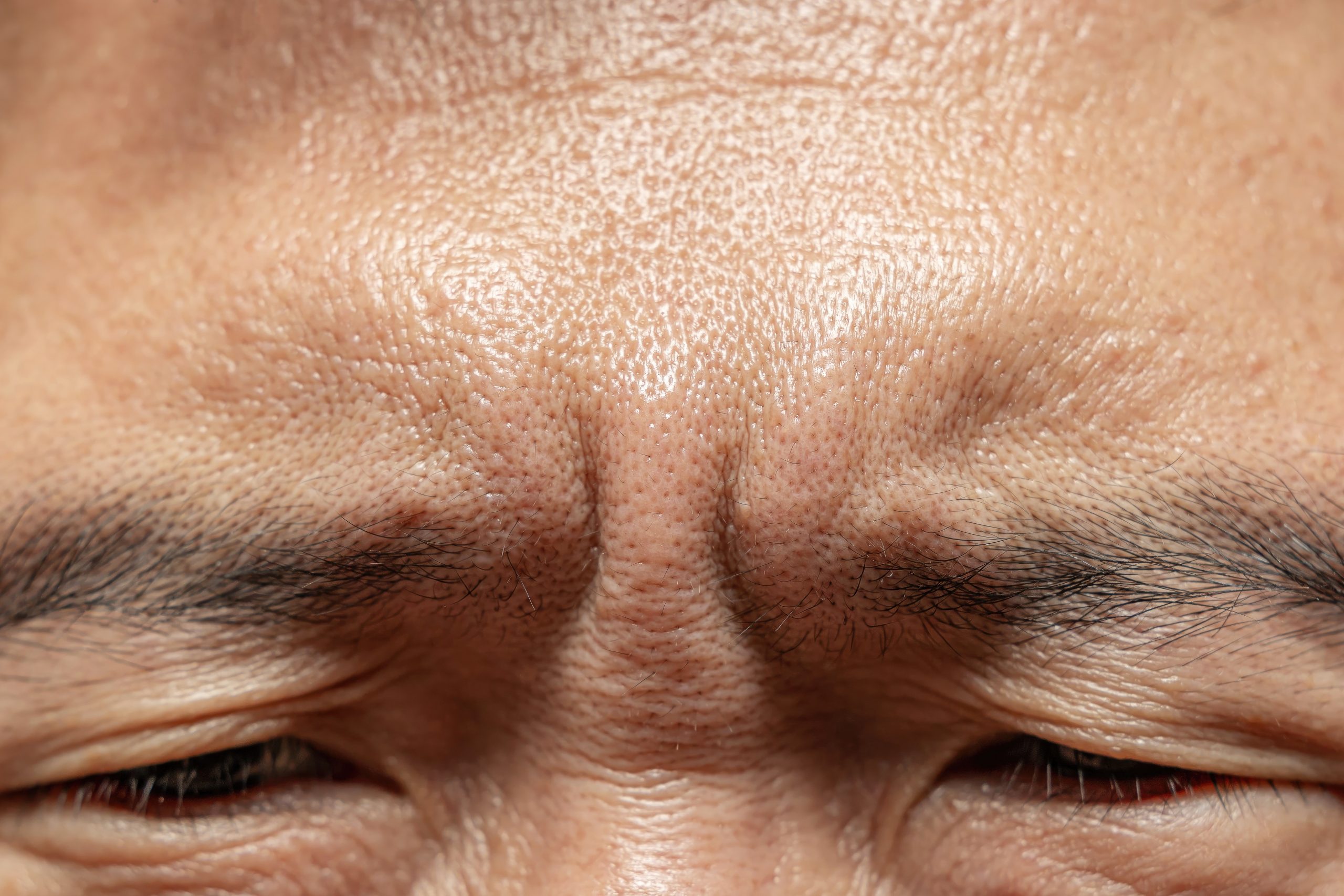
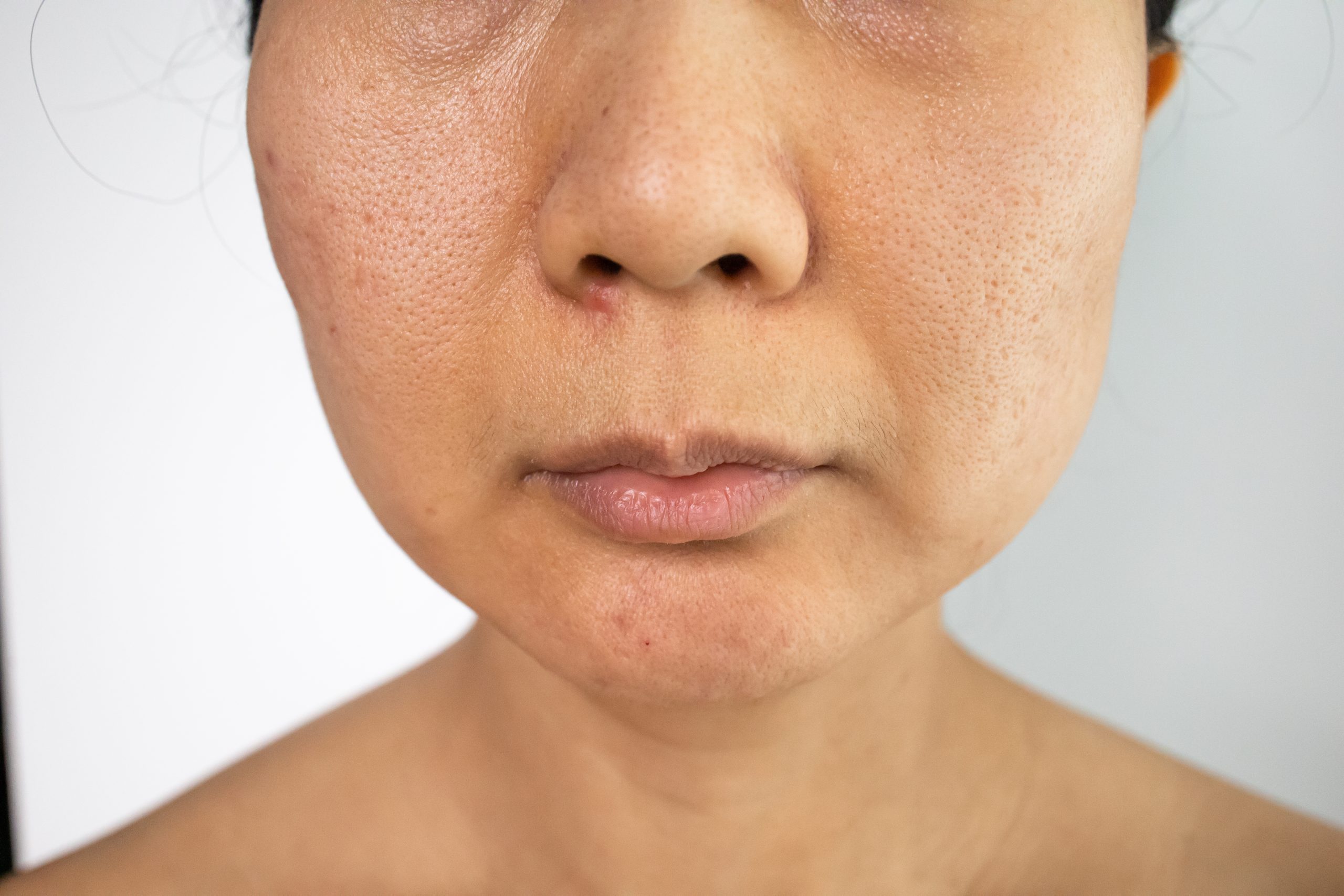
Contact Us TodayLarge pores occur more frequently as collagen production reduces and the skin ages. They can lead to an uneven appearance in the skin. They can become more prominent following the reduction in oestrogen seen during the perimenopause and menopause period.
Large pores can be upsetting and affect self-confidence at any age. They can affect the even application of make-up. Often patients have tried many different creams to try to treat their pores before they come to optimise aesthetics and feel fed up that nothing has really worked for them.
Treatments are focused on promoting collagen and elastic production in the dermis of the skin which acts to close and tighten the pores and significantly reduce their appearance.
Treatment options include:
- Medical grade skin care focused on promoting and supporting collagen levels.
- Medical grade chemical peels to stimulate cell turnover and boost collagen levels.
- SkinPen Microneedling to increase collagen levels and promote skin rejuvenation and pore reduction.
What will happen during a consultation?
Whether your consultation is virtual or face to face is essential to identify the areas of concern, what you have tried so far, potential causes, medical history and any allergies or previous reactions to past treatments, current medications and lifestyle and nutrition. Dr Bye will discuss all these areas with you and examine your skin to gain an overall picture of your condition and concerns and how best to move forward for you. Treating skin conditions such as large pores involves a personalised and holistic approach for the best results. Following your consultation, Dr Bye will put together a treatment plan for you.
Remember that for skin conditions such as large pores it is helpful for you to be make-up free or keep make-up to a minimum for the consultation so that Dr Bye can examine your skin effectively.
Which treatment option is best for me?
Every patient is different. Your treatment will very much depend on what is discussed and seen during your detailed consultation. For large pores, Dr Bye often uses a course of SkinPen Microneedling to maximise results.
Why choose Dr Bye?
As both a GMC registered GP and JCCP registered aesthetics doctor with additional training in cosmetic dermatology, Dr Bye’s approach to treating skin conditions such as large pores is holistic. Her extensive aesthetic training and microsurgical experience enables her to gain results that are safe and personalised with minimal or no discomfort.
As both a GP and aesthetics doctor her holistic approach allows her to use multiple modalities to treat your large pores from changes to your skin care routine to using chemical peels and/or SkinPen Microneedling.
She will discuss fully any concerns you have prior to treatments and will be open and honest about how to achieve the best results for you.
Frequently Asked Questions
How can I get rid of large pores?
Large pores cannot be erased completely but can be significantly reduced with a targeted regimen. Start with medical‑grade skincare containing retinoids and gentle exfoliants to normalise sebum production and accelerate cell turnover. Professional chemical peels lighten congestion and refine surface texture, while microneedling stimulates collagen remodelling to tighten pore walls. A combined, staged approach delivers the most consistent visible improvement.
Why do my pores seem so big?
Pores appear enlarged for several reasons: increased sebum production, accumulated debris or comedones, loss of dermal elasticity around the pore, and past acne or inflammation that stretches pore openings. Genetics and hormonal factors also influence pore size. Targeted skincare and clinic procedures address these mechanisms to reduce visible pore size.
Is it possible to fix enlarged pores?
Yes, visible improvement is possible but complete elimination is unlikely. Regular use of medical‑grade skincare to control oil and refine texture, periodic chemical peels to clear and resurface the skin, and microneedling to stimulate collagen around the follicle all reduce pore prominence and improve overall skin smoothness.
What vitamin deficiency causes large pores?
No single vitamin deficiency directly causes large pores. Nutritional insufficiencies that impair skin repair—notably very low vitamin A or vitamin C—can indirectly affect skin quality, but enlarged pores are primarily driven by sebum, follicular congestion, inflammation, and loss of dermal support. Focus on topical medical‑grade formulations and professional treatments to target pore appearance.
Do big pores ever go away?
Big pores usually do not disappear entirely, but their appearance can be substantially improved. Consistent medical‑grade skincare, combined with periodic chemical peels and microneedling, reduces oiliness, clears debris, and tightens the surrounding dermis so pores look smaller over tim
Do pore strips really work?
Pore strips remove surface debris and blackheads temporarily, so they can provide short‑term visual improvement. They do not treat the underlying causes—sebum production, follicular dilation, or loss of dermal support—so effects are temporary. For longer‑lasting reduction use medical‑grade skincare, professional chemical peels, or microneedling.
How do dermatologists treat large pores?
Dermatologists combine home care and in‑clinic procedures: prescribe targeted medical‑grade skincare (retinoids, oil‑regulating agents) to control sebum and cell turnover, perform chemical peels to exfoliate and decongest follicles, and use microneedling to stimulate collagen remodelling around pores. Treatment choice and frequency depend on skin type and severity.
Does vitamin C help pores?
Topical vitamin C improves overall skin tone and antioxidant protection but has limited direct effect on pore size. It complements a pore‑focused programme by reducing inflammation and pigmentation around follicles. For measurable pore reduction, combine vitamin C–containing medical‑grade products with chemical peels and microneedling.
Can toner tighten pores?
A suitable toner can temporarily refine skin surface and remove residual oil, creating the appearance of smaller pores. Toners with gentle exfoliating acids in medical‑grade formulations help prevent follicular clogging. Toner alone is insufficient for lasting tightening—pair it with medical‑grade skincare, chemical peels, or microneedling for durable improvement.
Why do pores get bigger as we age?
Pores tend to appear larger with age because collagen and elastin decline reduces structural support around the follicle, skin thins, and cumulative sun damage and past inflammation stretch pore openings. Regular use of medical‑grade skincare, occasional chemical peels, and microneedling to stimulate dermal remodelling help restore support and reduce the aged appearance of pores.