

Rosacea
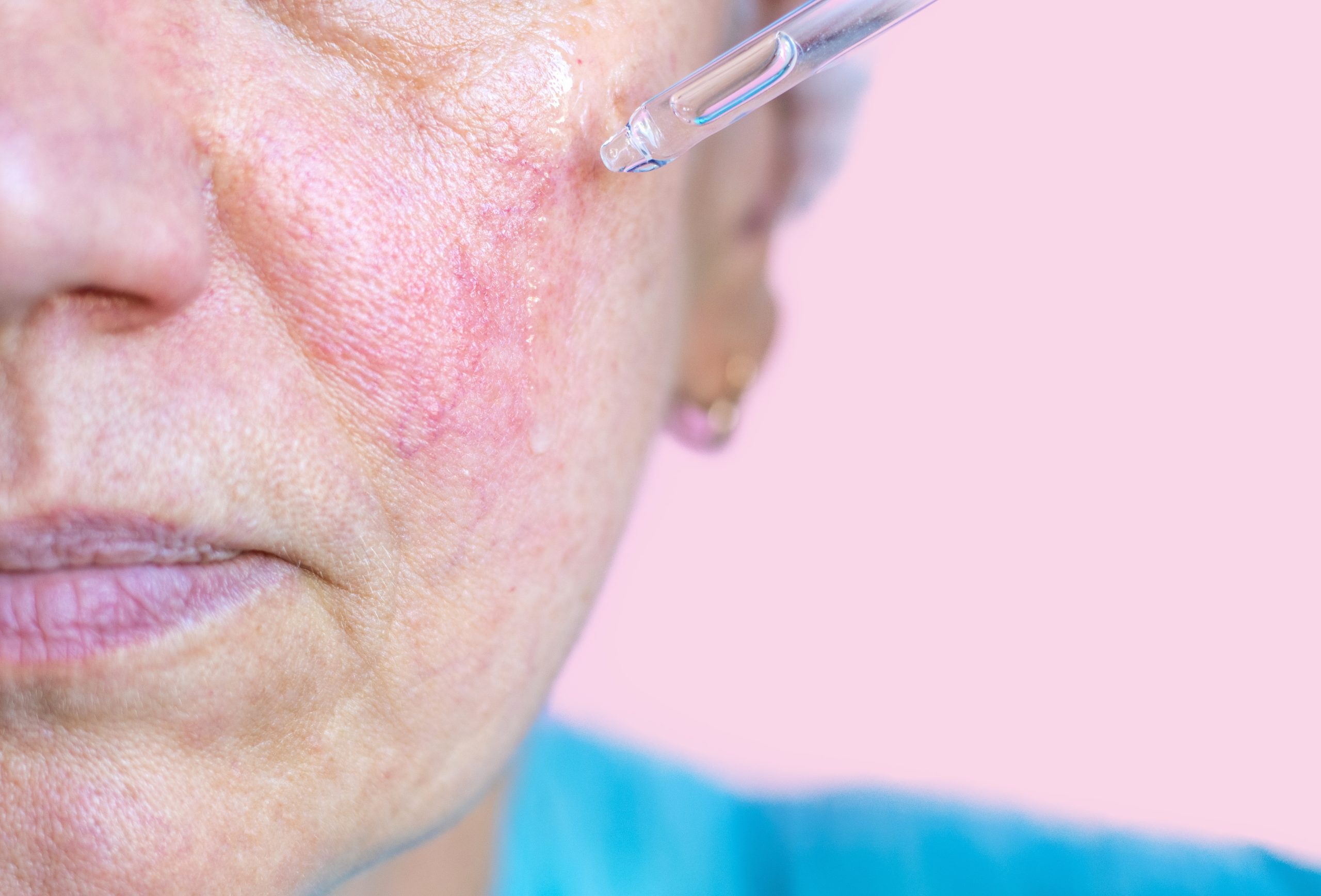
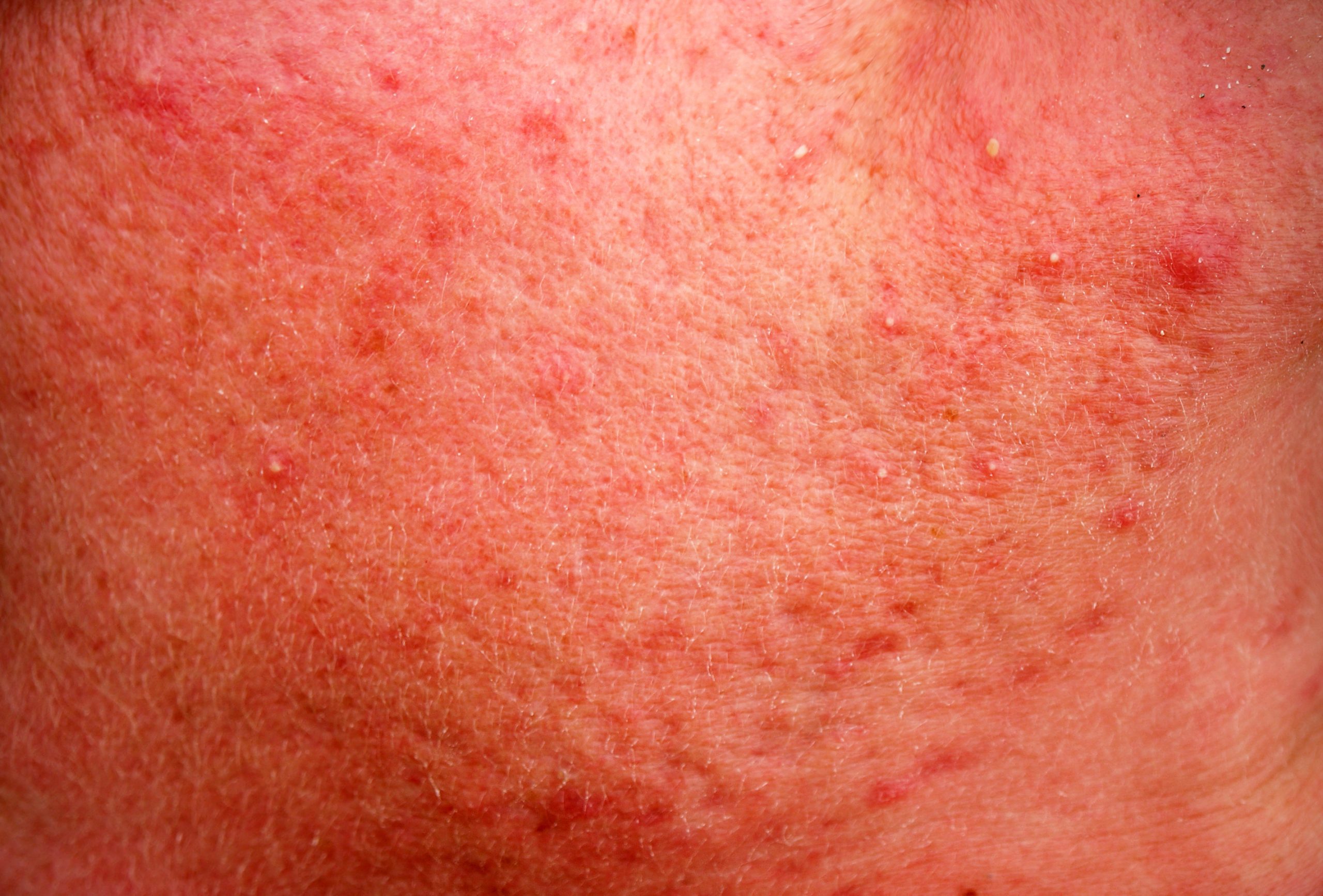
Contact Us TodayRosacea is a common skin condition that is often misdiagnosed in its early stages. It is characterised by a warm, hot and sensitive irritated sensation in the cheeks particularly following exercise, a hot shower or when coming in from the cold.
It can progress to the formation of pustules or spots usually occurring initially around the nose. If it progresses, it can lead to little blood vessels bursting on the skin surface, scarring and changes in the shape or appearance of your nose.
Rosacea can affect men and women. It can flare with hormonal changes in women seen particularly in the perimenopause or menopause period.
Science doesn’t really know the cause of rosacea but we do know that certain things seem to trigger it including: sun exposure, caffeine, spicy food, alcohol and stress.
Rosacea can be really upsetting and can significantly affect self-confidence at any age. Often patients have tried many alternative routes to treating their rosacea before they come to optimise aesthetics and feel fed up that nothing has really worked for them.
Treatments are focused on reducing inflammation, redness and pustules and calming and managing the associated symptoms.
Treatment options include:
- Medical grade skin care
- Medical grade chemical peels targeted to rosacea
- Topical therapies
- Systemic therapy
- Microdosing Botulinum Toxin A injections for redness and skin rejuvenation
- A course of Lumenis Intense Pulsed Light Treatment (IPL)
- Nutritional and lifestyle advice to optimise results
What will happen during a consultation?
Whether your consultation is virtual or face to face is essential to identify the areas of concern, what you have tried so far, potential causes, medical history and any allergies or previous reactions to past treatments, current medications and lifestyle and nutrition. Dr Bye will discuss all these areas with you and examine your skin to gain an overall picture of your condition and concerns and how best to move forward for you. Treating skin conditions such as rosacea involves a personalised and holistic approach for the best results. Following your consultation, Dr Bye will put together a treatment plan for you.
Remember that for skin conditions such as rosacea it is helpful for you to be make-up free or keep make-up to a minimum for the consultation so that Dr Bye can examine your skin effectively.
Which treatment option is best for me?
Every patient is different. Your treatment will very much depend on what is discussed and seen during your detailed consultation. Some patients get great results with a change to their skin care routine and improved nutrition while others require a course of prescribed medication or Lumenis Intense Pulsed Light (IPL) treatments.
Why choose Dr Bye?
As both a GMC registered GP and JCCP registered aesthetics doctor with additional training in cosmetic dermatology, Dr Bye’s approach to treating skin conditions such as rosacea is holistic. Her extensive aesthetic training and microsurgical experience enables her to gain results that are safe and personalised with minimal or no discomfort.
As both a GP and aesthetics doctor her holistic approach allows her to use multiple modalities to treat your rosacea ranging from changes to your skin care routine and nutritional advice to prescription medications and referral on to a consultant dermatologist if required.She will discuss fully any concerns you have prior to treatments and will be open and honest about how to achieve the best results for you.
Frequently Asked Questions
What triggers rosacea?
Rosacea is triggered by a combination of genetic predisposition and environmental or physiological factors that irritate facial blood vessels and skin. Common triggers include prolonged sun exposure, temperature extremes, hot drinks or spicy food, alcohol, emotional stress, and certain topical irritants. Identifying and avoiding personal triggers, plus targeted skincare and medical assessment, reduces flare frequency and severity.
How to make rosacea go away?
Rosacea cannot always be cured, but symptoms can be controlled and flares minimised with a tailored plan. Start with gentle, medical‑grade skincare to restore barrier function and reduce inflammation, avoid known triggers, and use daily broad‑spectrum sun protection. For persistent redness and visible blood vessels, IPL offers targeted vascular reduction. In selected cases, adjunctive treatments such as anti‑wrinkle injections may reduce flushing related to muscular patterns; a clinician will design a staged approach based on subtype and severity.
Can rosacea cause swelling?
Yes, rosacea can cause intermittent or persistent facial swelling. Phymatous rosacea and inflammatory flares may produce tissue swelling or oedema, especially around the nose and cheeks. Management focuses on controlling inflammation with appropriate skincare, trigger avoidance, and in some cases targeted clinical treatments to reduce vascular activity and persistent swelling.
What vitamin are you lacking if you have rosacea?
There is no single vitamin deficiency proven to cause rosacea. Nutritional factors can influence skin health, but rosacea is primarily driven by vascular reactivity, inflammation, microbes and barrier dysfunction rather than a straightforward vitamin shortfall. Ensure a balanced diet and discuss any concerns with your clinician; skin improvement is best achieved with medical‑grade topical care and clinical interventions rather than relying solely on supplementation.
What are the 4 stages of rosacea?
Rosacea is often described in clinical subtypes rather than strict numbered stages, but commonly referenced progressive presentations include:
- Intermittent flushing and transient redness;
- Persistent centrofacial erythema with visible telangiectasia;
- Inflammatory papules and pustules resembling acne;
- Tissue hypertrophy or phymatous change with thickening and enlargement.
Accurate classification by a clinician guides appropriate use of medical‑grade skincare, IPL, or other interventions.
Is rosacea linked to other health issues?
Rosacea has been associated with a higher prevalence of certain systemic and ocular conditions, including dry eyes and eyelid inflammation. Some studies suggest links with gastrointestinal or cardiovascular comorbidities, but associations vary and do not imply causation. A comprehensive clinical assessment is recommended if you have persistent systemic symptoms or eye involvement.
Does antihistamine help rosacea?
Antihistamines may help relieve itchiness or minor swelling for some people but are not a primary treatment for the vascular and inflammatory mechanisms of rosacea. Long‑term management focuses on trigger avoidance, barrier‑repair medical‑grade skincare, sun protection, and clinician‑directed procedures such as IPL for persistent vascular redness.
How do you tell if you have rosacea?
Rosacea commonly presents as recurrent facial flushing, persistent central facial redness, visible small blood vessels, and sometimes inflammatory bumps or eye symptoms. A history of trigger‑related flares, central facial distribution and lack of comedones differentiates rosacea from acne. Seek a dermatology or skin clinician assessment for an accurate diagnosis and a personalised treatment plan using medical‑grade skincare, IPL where indicated, and other clinician‑recommended measures.